Why Older Homes in Mesquite TX Have More Plumbing Problems
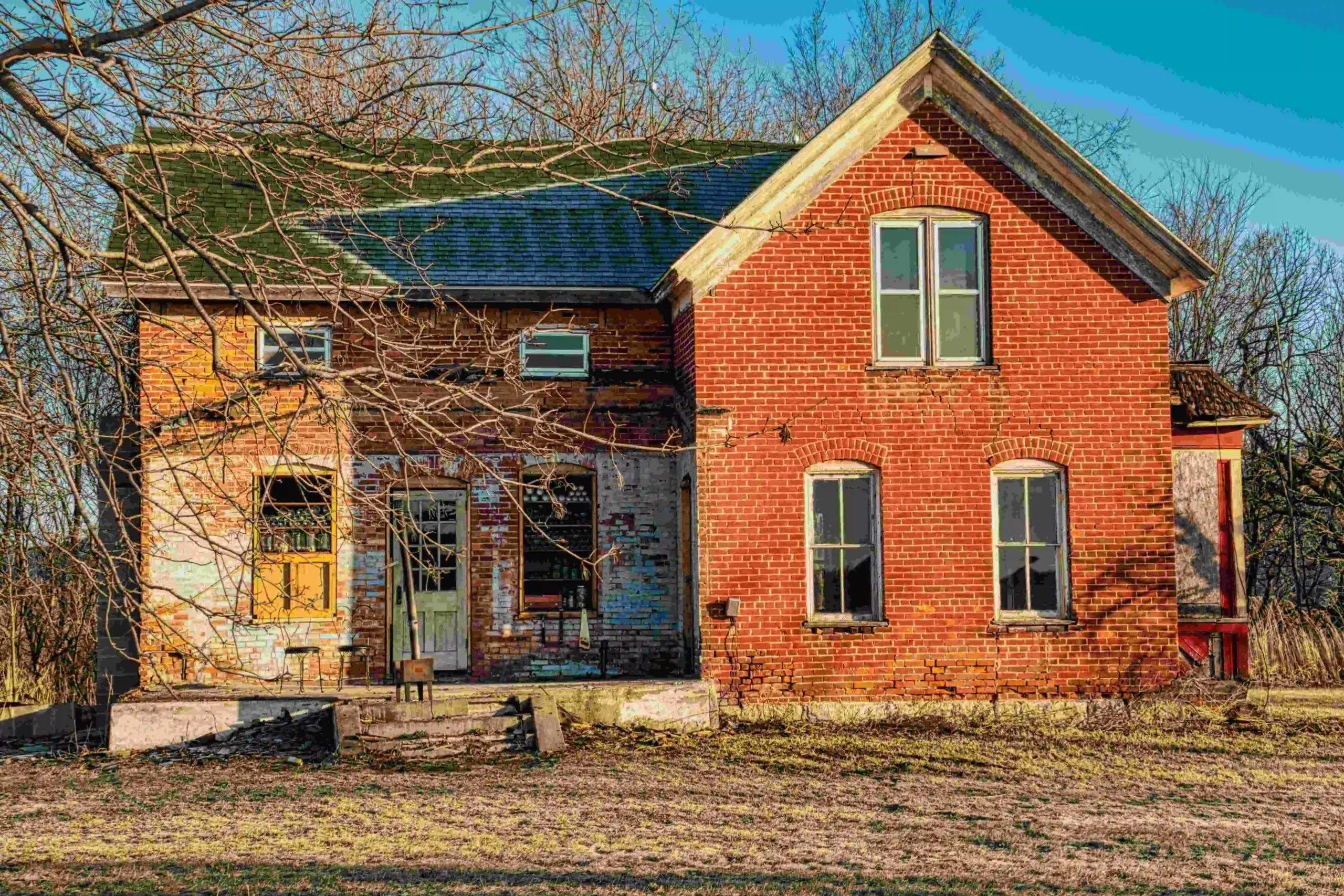
The average Mesquite home was built in 1981. That single number explains more about your plumbing bill than anything else. While Frisco, McKinney, Allen, and Prosper are packed with homes built after 2000 — PEX supply lines, PVC drains, engineered slabs — most of Mesquite’s 54,000 housing units were put up when cast iron drain lines were standard, galvanized steel supply pipes were still common, and nobody was accounting for what 40 years of Blackland Prairie clay soil would do to a rigid underground plumbing system.
The repeat failures, the slab leaks, the drains that stay slow no matter what you pour in them — they were built into these houses from day one. This article breaks down exactly why — and what it costs to fix it right.
Mesquite’s Homes Are Older Than Most of DFW — And That Gap Matters
Frisco’s median build year sits around 2005. McKinney and Allen are similar. Prosper is newer still. These cities have plumbing problems — but they don’t have the specific ones that age and Mesquite’s environment create together.
Mesquite’s housing stock tells a different story: 17% of homes built between 1980 and 1989, another 27% between 1990 and 1999, with a large share of the city’s older stock going up in the 1960s and 1970s. Most of that construction used materials that are now at or well past the end of their reliable service life.
A 2008 Frisco home has a 17-year-old PEX supply system with zero corrosion. A 1978 Mesquite home has a 47-year-old cast iron drain system and galvanized supply pipes that may be down to 40% of their original interior diameter from rust buildup. That’s the gap — and it shows up on every service call.
Three Things That Make Old Pipes Fail Faster Here Than Anywhere Else
Expansive Clay Soil — The Ground Under Your House Never Stops Moving
Mesquite sits in the middle of the Blackland Prairie, one of the most active expansive clay belts in North Texas. The soil absorbs moisture and swells during wet months, then contracts and shrinks in dry stretches — volume change of 30 to 40% through a single season. Underground pipes don’t flex. They shift at the joints, develop stress fractures, and over years of repeated cycles, they separate. This is the same force that drives Mesquite’s slab leak rate — DFW has one of the highest per-capita rates in the country, specifically because of this soil.
NTMWD Hard Water — What 40 Years of Mineral Scale Does to Pipes
Every gallon from North Texas Municipal Water District carries high concentrations of dissolved calcium and magnesium. The US Department of Energy documented that just a quarter inch of mineral scale on a water heater heating element cuts efficiency by up to 40%. In a newer home, this process is getting started. In a 1975 Mesquite home, it has run uninterrupted for 50 years. Supply lines are partially choked. Water heaters fail at 8 to 10 years instead of 12 to 15. A water softener is the only thing that stops this at the source.
Winter Freeze Stress — “Mild Winters” Still Crack Old Pipes
North Texas temperatures that drop hard, stay below freezing for days, then shoot back up are genuinely punishing to older pipe materials. Cast iron gets brittle. Older copper work-hardens from thermal cycling and becomes susceptible to fracture. February 2021 made this visible at scale across DFW. But the damage that matters most is the slow accumulation — fifteen, twenty years of freeze stress on materials already corroded and shifting from clay soil movement.
What Pipe Materials Are Actually in Your Mesquite Home Right Now
Most homeowners have no idea what their pipes are made of. Here’s what was standard, by decade, in homes built during Mesquite’s main growth period.
Cast Iron Drains + Galvanized Steel Supply
Both materials are well past reliable service life. Galvanized corrodes from the inside out — exterior looks intact while the interior chokes off. Cast iron pits and channels, catching every particle of grease and debris.
Cast Iron Drains + Early Copper Supply
Copper performs better than galvanized but work-hardens under clay soil stress. Copper lines embedded in slabs from this era are the primary driver of slab leaks in Mesquite today.
Cast Iron Drains + Copper or Polybutylene Supply
The most common Mesquite home era. Some homes received polybutylene supply pipes (gray plastic) — recalled for catastrophic failure rates but still in service in many homes. Cast iron here is 40–50 years old and entering the collapse phase.
Early PVC Drains + Copper Supply
Lower risk profile than earlier stock, but copper supply lines under slab remain a slab leak risk. Older PVC joint connections can separate over time. Better — but not immune.
If you don’t know what your home has, a licensed plumber can tell you in under an hour. Use our Plumbing Diagnostic Tool to identify likely issues before calling.
The 6 Plumbing Problems Older Mesquite Homes Get — That Newer DFW Homes Don’t
Whole-House Drain Slowdowns That Drain Cleaner Won’t Touch
When multiple drains run slow simultaneously, it’s not a clog — it’s the pipe. Cast iron sewer lines after 40-plus years develop a rough, pitted interior that catches grease and debris so aggressively that clearing one section buys minimal time. Worse — chemical drain cleaners accelerate corrosion on already-compromised cast iron walls. You’re paying to make the failure happen faster.
Slab Leaks — Why Mesquite Gets More of Them Than Frisco
Copper supply lines from the 1960s through 1980s were embedded directly in concrete without sleeves to protect against abrasion and soil movement. Clay soil shifts the slab, the slab shifts the pipe, the pipe develops a pinhole. Newer DFW construction uses post-tension slabs and PEX that flex instead of fracture. Older Mesquite slabs don’t have either. By the time a slab leak is visible, it’s usually been running for weeks. Repair costs run $2,500 to $6,500 depending on location.
Cast Iron Sewer Line Collapse
Cast iron fails in stages: channeling → partial collapse → full blockage → sewage backing into the lowest fixtures in the house. Most cast iron sewer lines in Mesquite are now 40 to 60 years old. The only way to know what stage yours is at is a camera inspection. Full replacement in a typical Mesquite home runs $6,000 to $12,000. Trenchless pipe lining, where structurally sound, runs $4,000 to $8,000. See our trenchless sewer repair page for details.
Water Heaters That Fail at 8–10 Years Instead of 15
Hard water scale, anode rod corrosion accelerated by NTMWD mineral content, and sediment accumulation on the tank floor all compound together. A water heater in a Mesquite home without a softener and regular maintenance hits the end of reliable service life at 8 to 10 years — versus 14 to 16 years in a lower-hardness market. That’s $1,000+ in premature replacement cost, plus ongoing energy bill overrun from an efficiency-degraded unit.
Tree Root Intrusion Into Sewer Lines
The mature neighborhoods along Buckner Boulevard, Belt Line Road, Military Parkway, and around Downtown Mesquite have 40- to 60-year-old trees with root systems that extend 30 to 50 feet. Underground sewer lines — especially cast iron and clay tile with open joints — are a consistent target. Root intrusion starts as a thread through a hairline crack, catches debris, expands, and eventually causes a full blockage. By the time drains slow down, roots are already well established inside the pipe.
Low Water Pressure Across the Whole House
This isn’t a showerhead problem. In homes with galvanized supply pipes installed in the 1950s through 1970s, the pipe interior has been corroding for 50-plus years. What started as a full-diameter line is now delivering through a channel a fraction of its original size. No fixture repair changes that. The pipe is the problem, and the fix is repiping.
Warning Signs That Need a Plumber — Not a Plunger
Two or more of these together in a home built before 1990 means the system needs a professional assessment, not a DIY fix.
| Warning Sign | What It Points To | Urgency |
|---|---|---|
| Multiple slow drains across the house | Cast iron sewer line obstruction or partial collapse | Call within 24 hrs |
| Water bill up $50–$100 with no usage change | Active slab leak under foundation | Same day |
| Warm or damp spot on the floor | Hot water line slab leak actively running | Immediate |
| Rust-colored water at hot taps | Corroding water heater tank or galvanized pipe failure | This week |
| Sewage smell inside with no visible backup | Partial sewer collapse with gas venting through drain traps | Call within 24 hrs |
| Gurgling toilet when shower drains | Main drain blockage below branch connections — whole-home backup risk | Call within 24 hrs |
| Low pressure at every fixture simultaneously | Galvanized supply pipe interior restriction — needs camera evaluation | Schedule this week |
| Water meter moves with everything off | Active hidden water leak — supply line or slab | Same day |
Repair or Repipe — Making the Right Call
One rule that holds up in practice: if a repair costs more than 50% of what replacement costs installed, replace. Repairing one section while the rest of the system continues deteriorating under the same age and environment is not a solution — it’s delay.
For cast iron sewer lines in a Mesquite home over 40 years old — camera inspection first, always. The camera tells you whether you’re dealing with one problem section or a system-wide condition. If channeling runs throughout the line, trenchless pipe lining or full replacement is the honest answer.
For galvanized supply pipes — spot repair is rarely worth doing. Once galvanized starts failing at one joint, it’s failing throughout. Whole-house repiping with PEX ends the problem permanently.
For copper supply lines with a confirmed slab leak — rerouting pipes through walls and the attic, away from the slab entirely, is often the better long-term option compared to tunneling and patching one section of a system that will develop another leak somewhere else.
What It Costs to Fix Plumbing Problems in an Older Mesquite Home
Real DFW market numbers. Use our Plumbing Cost Estimator to build a number for your specific home before calling anyone.
| Service | Typical Mesquite Range |
|---|---|
| Sewer camera inspection | $150 – $300 |
| Hydro jetting to clear cast iron buildup | $350 – $600 |
| Cast iron sewer line — section repair | $1,500 – $3,500 |
| Full cast iron sewer line replacement | $6,000 – $12,000 |
| Trenchless pipe lining | $4,000 – $8,000 |
| Slab leak — tunnel and spot repair | $2,500 – $5,000 |
| Slab leak — pipe rerouting through walls | $3,500 – $6,500 |
| Water heater replacement (tank, gas) | $950 – $1,500 |
| Whole-house water softener installation | $1,500 – $3,500 |
| Whole-house repipe (copper to PEX) | $8,000 – $15,000 |
What Buckner Blvd Plumbing Has Seen in Mesquite Since 1952
We’ve been in Mesquite homes since the city was still building the neighborhoods that are now 50 years old. We’ve replaced the original cast iron in houses that were new builds when this company started. We’ve run camera inspections on sewer lines homeowners were told were fine — and found channeling that was weeks from a full collapse.
The problems in this article aren’t theoretical. They’re what we see on service calls in the 75149, 75150, and 75181 zip codes every week. We also serve Garland, Rowlett, Richardson, Forney, and surrounding DFW cities. No franchise that arrived in this market recently has seen what 70 years of Mesquite plumbing actually looks like.
If your home was built before 1990 and you haven’t had a sewer camera inspection or a supply line evaluation, you’re working without information you need. Call us before the pipe decides for you.
Frequently Asked Questions
Buckner Blvd Plumbing Co Inc — Serving Mesquite Since 1952
Older home? Had repeat plumbing issues you can’t get ahead of? We’ve seen every failure pattern Mesquite produces. One call gets you a straight answer and a written estimate — no guessing.